

🕯️ Dr. Maulana Karenga: A Tradition of Self-Determination in the December Holidays
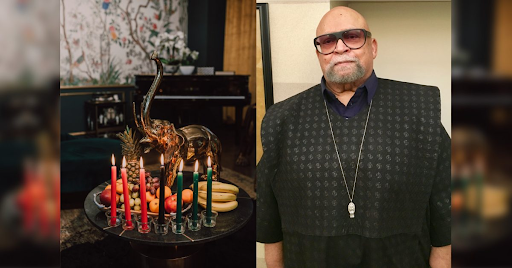
The end of the year invites reflection on our most cherished traditions. For the Black community, this reflection is often rooted in the dynamic legacy of Dr. Maulana Karenga, the scholar and activist who gifted the world with Kwanzaa in 1966. His creation is the ultimate example of an evolving tradition, offering a profound cultural framework for African Americans to celebrate themselves, their history, and their future during the December holiday season.
Kwanzaa, celebrated from December 26th to January 1st, was established in the aftermath of the 1965 Watts Rebellion in Los Angeles. Dr. Karenga conceived of the holiday not merely as an observance, but as an act of cultural recovery and reconstruction.
At its core, Kwanzaa was a conscious decision to evolve the holiday landscape. It was created to provide a non-religious, pan-African alternative and complement to existing December celebrations, allowing African Americans to root their end-of-year gatherings in collective values and African heritage.
"My goal was to 'give black people an opportunity to celebrate themselves and their history, rather than simply imitate the practice of the dominant society.'" - Dr. Maulana Karenga
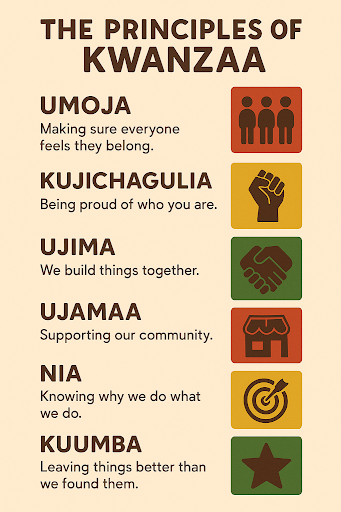
The foundational structure of Kwanzaa is the Nguzo Saba (The Seven Principles), a set of communitarian values drawn from African philosophy. These principles perfectly embody the idea of expanding our thinking and actions, transforming abstract ideals into a seven-day commitment to community building:
Day 1 Umoja: Unity - Family, community, nation, and race.
Day 2 Kujichagulia: Self-Determination - To define, name, create, and speak for ourselves.
Day 3 Ujima: Collective Work & Responsibility - To build and maintain our community together.
Day 4 Ujamaa: Cooperative Economics - To build and profit from our own businesses together.
Day 5 Nia: Purpose - To restore our people to their traditional greatness.
Day 6 Kuumba: Creativity - To leave our community more beautiful and beneficial than we inherited it.
Day 7 Imani: Faith - To believe in our people and the righteousness of our struggle.
By dedicating each day to a principle, Kwanzaa actively fosters a tradition of reflection, self-affirmation, and collective action. It is a powerful cultural tool that helps families take a closer look at what traditions mean to us—shifting the focus from commercialism to ethical and communal values.
While originally conceived as an alternative to Christmas, Kwanzaa has matured into a celebrated and integrated part of the African American holiday experience. Many families choose to celebrate both holidays, weaving the cultural strength of the Nguzo Saba into their religious or secular Christmas observances.
Dr. Karenga's work has had a lasting impact by:
- Providing Cultural Grounding: Offering a tangible way for people of African descent to connect with their ancestry and culture during the festive season.
- Encouraging Self-Definition: Living up to the principle of Kujichagulia (Self-Determination) by having a holiday created by and for the Black community.
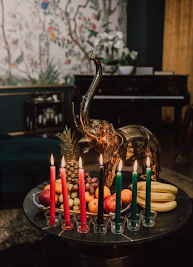
- Fostering Unity: The emphasis on the Kikombe cha Umoja (Unity Cup) and the culminating feast (Karamu) on December 31st reinforces the essential communal spirit.
Dr. Maulana Karenga’s Kwanzaa remains a monumental example of Black excellence, demonstrating that the most enduring and meaningful traditions are often those we have the courage to create for ourselves.
Black Excellence Posts:
Each month, we take time to highlight the remarkable contributions of Black leaders, trailblazers, and changemakers whose impact continues to shape our world. These stories serve as a valuable opportunity for transracial families to learn, reflect, and engage in meaningful conversations about Black history and culture. We invite you to explore our past Black Excellence features in the carousel below, where you’ll find inspiring figures from various fields—activism, science, arts, sports, and beyond. If you haven’t already, be sure to subscribe to our monthly newsletter to receive these stories, along with discussion prompts and book recommendations, right in your inbox.