Mothers’ Day

By Jennie Rosenstiel

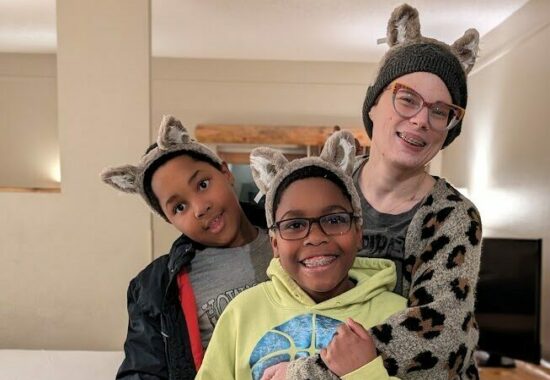
As I typed the first draft of this article, the grammar checker kept telling me I’d misspelled the name of the holiday. Again and again, it reminded me that it was Mother’s Day, not Mothers’ Day. It turns out that Anna Jarvis, the advertising executive responsible for the holiday’s modern incarnation, “was specific about the location of the apostrophe; it was to be a singular possessive, for each family to honour their mother, not a plural possessive commemorating all mothers in the world.”[1] Even absent the complexity of adoption, this feels like a sentiment that has not aged well. In our own family, Mothers’ Day (as it will forever be as far as I’m concerned) isn’t marked by saccharine platitudes or a special brunch. But it has, with the stubborn habit of most holidays, managed to accumulate its own set of traditions in our family. And like most family traditions… they’re complicated. 

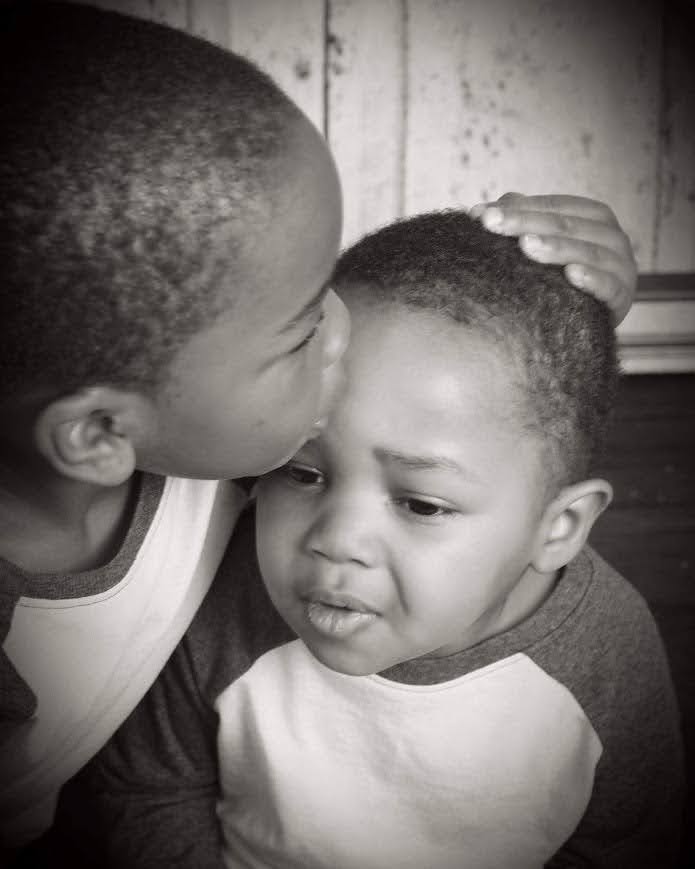
In the week or so ahead of the day, we begin to talk about mothers around the dinner table. We talk about how most kids have only one mom, how some kids have two moms, and how they have three moms. We discuss how most people have a mother they are born to as babies and that many people acquire additional mothers and mother figures along the way. We remind them that we even know families with no moms that are present in their lives –biological or otherwise– and that there's no right number of mothers to have.  

As for their many mothers, our kids are free to refer to any and all of us using “mom names.” (Despite some outmoded advice from well-intentioned relatives—and even therapists—I find that my kids are not actually confused by this practice.) We tell stories about their late foster mom, and all the things each of us loved about her. We talk about their first mom and her mom, both women who our kids know and love. About what traits they each get from her and the traits they all share. We’re talking about love. But we also talk about grief and pain. 

We talk about the losses our kids have suffered. My husband and I encourage them to talk about the sad or angry feelings they have about mothers, including the one at the table. We remind them that it’s normal to have complicated feelings about our parents; we certainly do. I acknowledge their feelings, and hold them tight, knowing that my validation and comfort cannot heal them. I can only cross my fingers and hope that they lay the groundwork for more honesty and comfort in the years ahead. 

Finally, somewhere around Friday, we ask them how they think they’d like to celebrate Mother’s Day. Would they like to call their other mom? Or make a video or card or present for her? When they were still little enough to make things for Mother’s Day at school, we asked if they wanted to send them to any of their other moms. They’re always free to choose to do anything or nothing for any of us. While their requests have evolved with their relationships with each of their moms, some traditions have stuck, for better and for worse. 

One of our kids wears his heart on his sleeve. He feels all the feelings out in the open. He’s the kid who invariably wants to plan a big gesture for me. Our other kid wears his heart as deep inside as he can. He expresses little interest in either the discussion or the celebration, usually agreeing to whatever his brother wants to do. When the day comes, it begins with breakfast in bed, everyone eager to see me enjoy whatever food and gifts have made it to the tray. This is our tradition. By 10:00am, the storm inside our quiet child can no longer be contained. Shouting and slamming burst forth like a sudden squall. This, too, is our tradition. 

In my less sympathetic moments, I have found myself disappointed and even frustrated to tears. But mostly I just see this person I love struggling with a tangle of emotions that he hasn’t yet felt safe enough to unravel, look at, and speak into the world. The years, and the wisdom that seems to hitchhike along with them, have taught me to take advantage of the spring weather by getting out of the house together as soon as possible. We let the regulating effects of moving our bodies and connecting with nature work on all of us, leaving further mention of Mothers’ Day entirely up to the kids. It may not be what Mothers’ Day looks like on TV, but surely if I can find enough space in the holiday for more than one mother, I can also find space in it for more than one kid. 

[1] From “Mother's Day creator likely 'spinning in her grave,'” L. Taylor, May 11, 2008 The Vancouver Sun.

This post is from our May, 2024, newsletter. If you would like to get our newsletter in your inbox each month, as well as information about our annual Transracial Journeys Family Camp and our monthly Zoom call to provide support for our transracial adoption parents please subscribe.
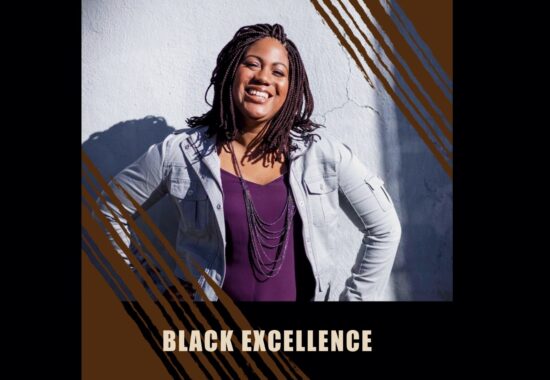

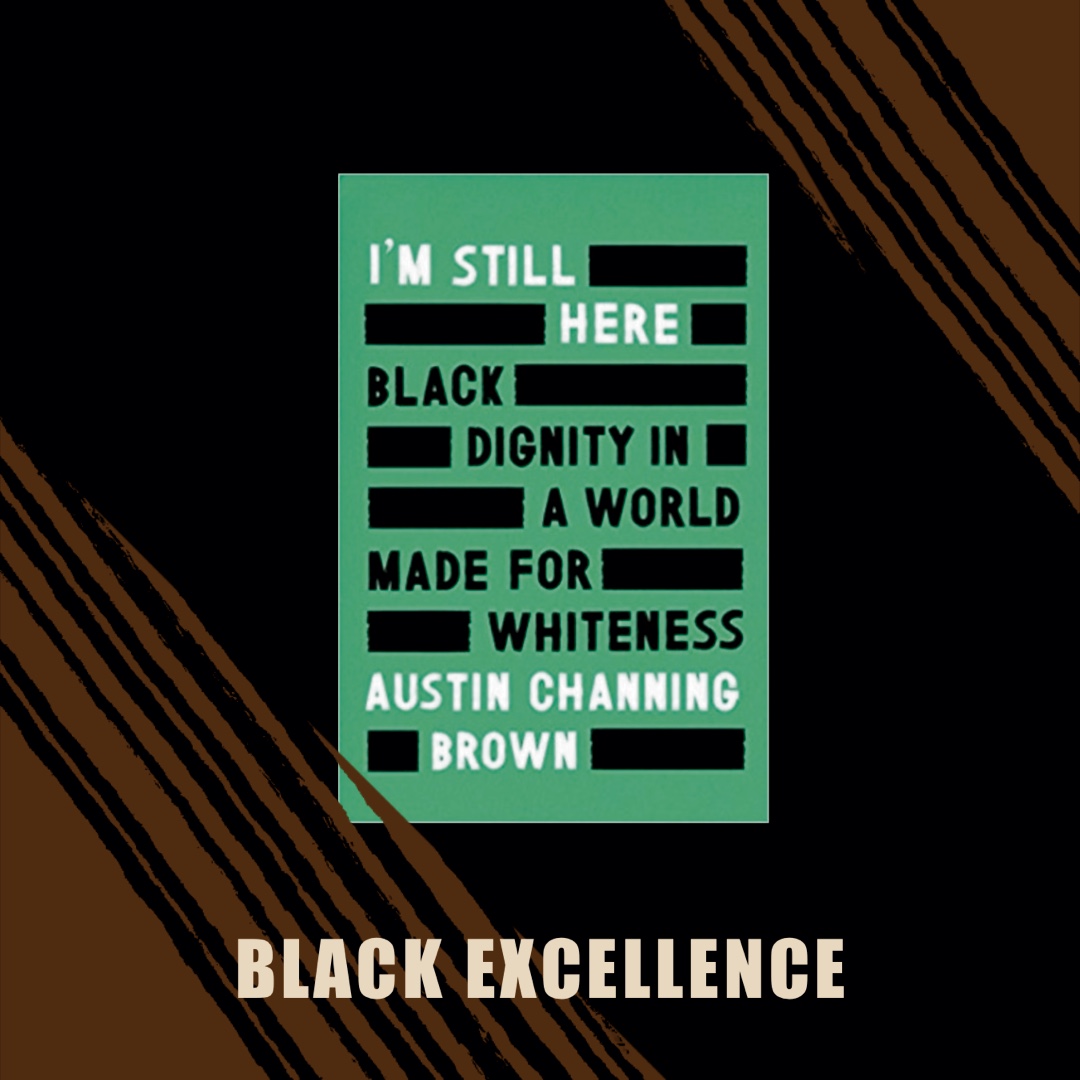
Black Excellence: Austin Channing Brown

By Becca Howe, TRJ Parent

“The work of anti-racism is the work of becoming a better human to other humans. We are saying: I think you have capacity to be a better human, would you accept that invitation? And I can’t tell you how often the response is, ‘But I would rather just be nice and polite if that’s okay.’”

-Austin Channing Brown, from an interview with Brene Brown, 2020


Photos: credit Austin Channing Brown

Austin Channing Brown is a prominent voice in the world of anti-racism and justice work. Brown challenges societal norms and sheds light on the complexities of navigating race in America. She gives practical insight into breaking down how we go about doing anti-racism work in our own lives without putting the burden of white education onto black people.

As a speaker and advocate, Brown travels extensively, engaging audiences with her compelling storytelling and thought-provoking insights. Through her work, she emphasizes the importance of confronting uncomfortable truths about race and privilege, fostering authentic dialogue, and actively pursuing equity and justice. Brown's approach is both empowering and compassionate, encouraging individuals and organizations to confront bias and work towards meaningful change. 

Photos: credit Austin Channing Brown

Her acclaimed book, "I'm Still Here: Black Dignity in a World Made for Whiteness," offers a poignant narrative of her own journey as a black woman, grappling with identity, belonging and systemic racism. 

Austin Channing Brown is involved in various initiatives aimed at promoting diversity and inclusion in workplaces, schools and communities. Her work serves to inspire introspection and action, challenging individuals and institutions to dismantle systems of oppression and cultivate environments where all people are valued and respected. 

Austin Channing Brown's impact resonates far beyond her written words, inspiring countless individuals to embark on their own journeys towards understanding and dismantling racism.


Book Corner – April 2024

Reviewed by Kristen Perry, adoptive parent and professor of literacy education

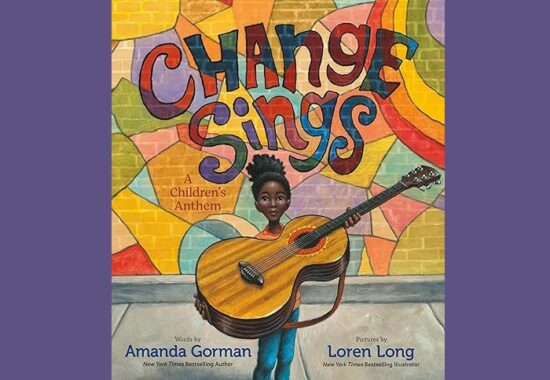
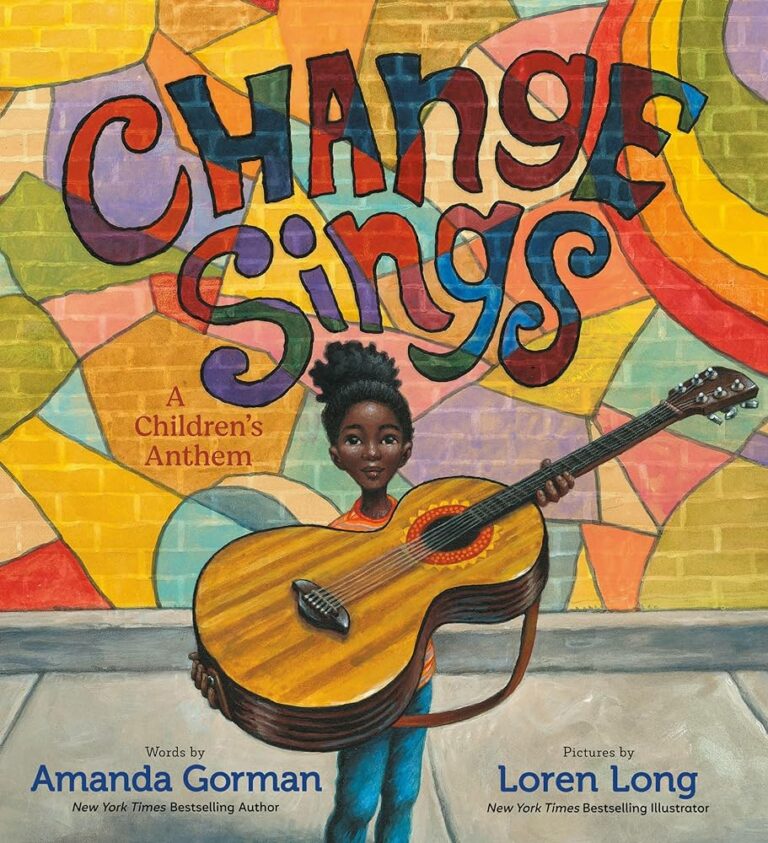
Review of Change Sings: A Children’s Anthem

Written by Amanda Gorman and illustrated by Loren Long

Author contact/link info: Website Twitter/X Instagram Facebook

Illustrator contact/link info: Website Twitter/X Instagram Facebook

Change Sings: A Children’s Anthem is a wonderful illustrated children’s book by the poet Amanda Gorman, who many may remember as the poet who wrote and delivered the inaugural poem The Hill We Climb at President Biden’s inauguration. Loren Long provides rich and vivid illustrations for the book. 

Gorman’s text, written in verse, is a call to join in a movement for social change. The poem’s themes emphasize hopes, dreams, change, love, and social justice. Long’s illustrations feature a Black girl with a guitar who gathers a group of diverse children around her while working to make their community a better place. With lines like “I am the change I want to see” and “I’m the voice where freedom rings/You’re the love your bright heart brings,” along with illustrations showing cooperation, collective effort, sharing, and kindness, Change Sings emphasizes both the power of the individual and of the community to create a better world for all.

Although this book is marketed for children in the 4-8 age range, I believe older children and families could use it to spark meaningful discussions. 

Potential Discussion questions:

  • This story begins with one girl by herself, who slowly gathers a diverse group of friends in her neighborhood. Together, they do different things to make their neighborhood a better place. Can you see yourself in this story or in the pictures? Where?
  • What is a change you would like to see in our community? What could we do to help make that change happen?
  • The girl singing the song says, “I show others tolerance, though it might take some courage.” Is there a time that you showed tolerance to or stood up for someone who was different from you? What did you do? How else could you support people who are different? (Alternate questions: Is there a time when someone stood up for you? How did that feel?)


Book Recommendations for Families Created in Transracial Adoption

Kristen Perry is a TRJ parent and a professor of literacy education, specializing in family and community literacy. She and Mariama Lockington are colleagues in the University of Kentucky’s College of Education. Learn more about Mariama and connect with her on her website: https://mariamajlockington.com/ 


Navigating Identity: The Significance of Names in Self-Discovery

By Cj Rosenstiel

In the intricate tapestry of identity, our names are the first threads, weaving the fabric of who we are. They carry history and significance, shaping our sense of self from birth. But what if the name we're given doesn't quite fit? This question sparked my journey of self-discovery, delving into the essence of being and my place in the world. Despite multiple legal name changes, none felt right, prompting a deeper exploration.

When my partner, Jennie, and I welcomed our boys into our family, we knew their first names would remain unchanged. However, understanding the importance of cohesion and security, we opted for matching last names. This decision was crucial, providing a safety net for our young sons, especially our eldest, who was prone to wandering.

Embracing tradition and heritage, we decided on Hebrew names for our boys. Giving our eldest the agency to choose his Hebrew name empowered him to assert his identity. Jennie and I incorporated parts of their Hebrew names into their middle names, a collaborative process that reflected our family's journey of exploration and understanding.

Now, aged 12 and 10, both boys are aware of their full names given by their mother of origin. They understand the significance of names in shaping identity and know they have the freedom to explore and redefine themselves. Supporting their journey of self-discovery is paramount to us, as we hope they find names that are a perfect fit—a true reflection of who they are.

In our family, names are not just labels but symbols of individuality and belonging. They remind us of the complexities of identity and the power of self-discovery. As we navigate this journey together, our hope is that our sons embrace their names with pride, knowing they signify not only where they come from but also who they aspire to be.

Cj

Bio

Cj works in IT doing telephony project work at Progressive by day, advocating for trauma-informed care in public schools and as a board member of Transracial Journeys, he contributes to fostering understanding in transracial adoption communities. Together with his partner Jennie, Cj lovingly parents two transracially adopted boys by night, showcasing his commitment to family and inclusivity.

This post is from our April, 2024, newsletter. If you would like to get our newsletter in your inbox each month, as well as information about our annual Transracial Journeys Family Camp and our monthly Zoom call to provide support for our transracial adoption parents please subscribe.

Sharp Edges of Exclusion that Come with Adoption, Family Separation and Differences of Race

by TRJ Executive Director, April Dinwoodie

“Where is she from?”

“Does she look like her dad?”

“Do you know who her real parents are?” 

These and other questions came hard and fast at my mom and me when we were out in a world that wants us to match and did not understand the realities of adoption, family separation, and the impact of trauma that comes with both.  

As a kid, I never quite understood why folks were so interested in my family, why my mom would get kind of mad when these things would happen, and why I felt so weird when it did. Why did anyone care what we looked like, why I was brown, or how we came together as a family?  Also, what were “real parents” anyway?  None of it made sense and over time, unwanted attention based on how I looked and where I “fit” within the family that surrounded me was constant. In a majority white community where families matched, I was singled out and often wondered if I belonged anywhere.  

In addition to the comments about how our family looked there were comments about how lucky I was or how lucky our family was.  Lucky? Why was I lucky to have what everyone else had, a family?  It did not make sense and it made me feel uncomfortable.  We rarely unpacked these things as a family so I was left to wonder why my family was so different, why I was different and why I should feel the least bit lucky about any of it?  

Sitting next to all of this were my complex feelings of sadness and confusion about my family of origin and looking so different from the people around me.  While I truly loved my family and  these feelings were not all-consuming, they were serious distractions as I navigated the world.  I simply wanted to fit in, to be like everyone else and to feel like I belonged.  

There was no bright or easy path to true belonging because those closest to me did not realize the weight of my reality and most others were too busy expecting me to be grateful.  I needed a community like TRJ to help my parents know and do better and I needed to be around other children and families.  

This year TRJ’s camp theme centers on inclusivity and belonging.  As always, we will create space for deep learning and development as well as moments for joy and community.   Together, we will work to soften the sharp edges of exclusion that come with adoption, family separation and differences of race.  Together, we will co-created the brightest path to belonging for the children entrusted to you through adoption.  

This post is from our March, 2024, newsletter. If you would like to get our newsletter in your inbox each month, as well as information about our annual Transracial Journeys Family Camp and our monthly Zoom call to provide support for our transracial adoption parents please subscribe.

Book Corner – March 2024

Reviewed by Kristen Perry, TRJ Parent

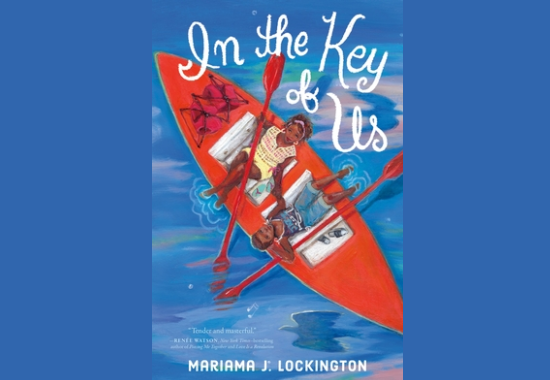
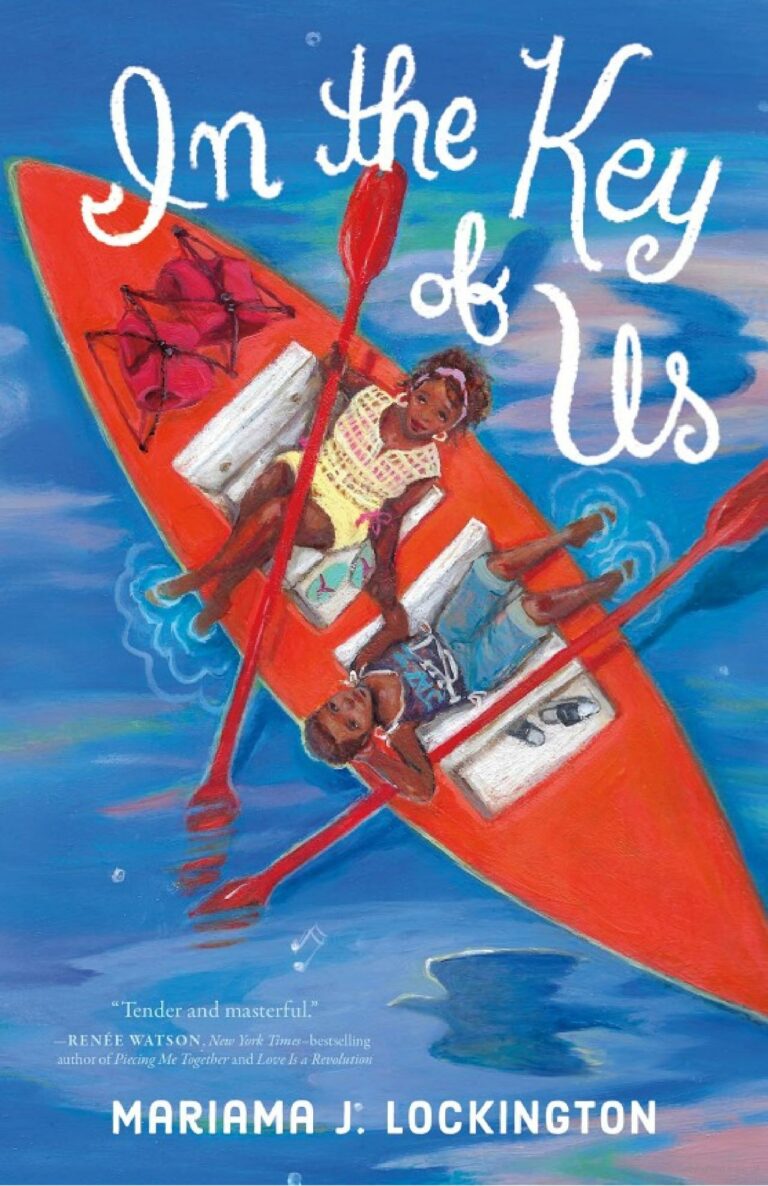
In the Key of Us

By Mariama Lockington

Not only is In the Key of Us by Mariama Lockington written by a transracial adoptee, but it also is a Stonewall Honor Book for LGBTQ+ books. Thus, it has the power to speak to many identities represented within our families and communities. The story is told through the alternating perspectives of Andi and Zora, the only two Black girls at a prestigious, nearly all-white music camp. Andi is struggling with the death of her mother, which is affecting her ability to play the trumpet. Zora is buckling under the pressure of her parents who expect her to be a flute prodigy, when what she really wants is to be a dancer. Over the course of the summer, the girls experience many challenges and ultimately discover the power of their relationship.

In the Key of Us is a wonderful exploration of first love, an ode to the arts, and a powerful statement about discovering your true self. Although transracial adoption is not the focus of this book in the way that it is in Lockington’s first book (For Black Girls Like Me), there are many relevant themes such as loss of first family/family of origin and being the only Black person in a sea of whiteness. Although the book is advertised for ages 10-14, I believe that teens and adults will also enjoy the book and find it meaningful – I know I did!


Discussion Questions:  The following questions will help you and your family open up important conversations about experiences of adoption, identity, and differences of race. Before you engage in these discussions be sure you have grounded yourself in the questions and are ready to both listen to the experiences of the children and youth you are engaging, and to share your thoughts and feelings and model conversational openness. Also, if children and young people do not want to engage in the conversation at any particular time, you can always spend some time in reflection on these questions so when the opportunity is right, you’ll be ready.      

  • Andi and Zora are the only two Black girls at the Harmony Music camp, which comes with a lot of challenges. Can you identify with some of the challenges they face?  How do they support each other? Do you have friends that support you when things are challenging? ?
  • Zora is passionate about dance, which historically has excluded many Black dancers, and finding a Black dancer as a role-model is life-changing for her. What are your passions or interests? Who can we look to as role models related to these interests?
  • In the Key of Us provides a great representation of intersectionality, particularly identities related to race and sexual orientation. What identities are important to you, and how do your identities intersect in unique ways? How are your identities perceived in the world, and in what ways might they represent challenges or privileges?

Book Recommendations for Families Created in Transracial Adoption

Kristen Perry is a TRJ parent and a professor of literacy education, specializing in family and community literacy. She and Mariama Lockington are colleagues in the University of Kentucky’s College of Education. Learn more about Mariama and connect with her on her website: https://mariamajlockington.com/ 


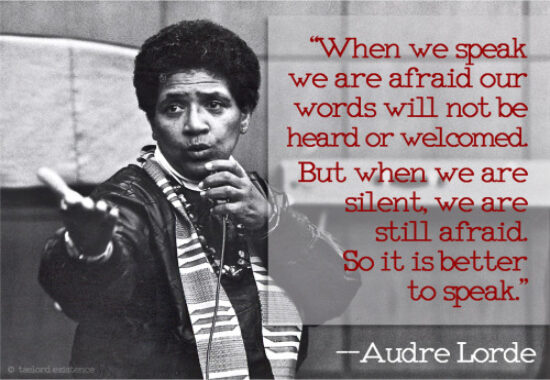
Audre Lorde: A Woman Who Brought Intersectionality to the Forefront

By Becca Howe, TRJ Parent

Audre Lorde was a Black poet, essayist, and activist, whose work is celebrated for its honesty, raw emotion, and powerful imagery. She has had a profound impact on literature, feminism and resilience, especially her consistent emphasis on the importance of recognizing the interconnected nature of different forms of oppression, such as racism, sexism, homophobia, and classism. Known now as intersectionality, Lorde’s insights have had a profound impact on contemporary discussions of social justice and activism.

Lorde was born on February 18, 1934, in New York City, and was legally blind from birth. She did not speak until she learned to read at age four. She grew up in Harlem, known for its rich cultural history and vibrant community, which played a significant role in shaping Lorde’s identity and worldview, as it was a center of African American culture and activism during her formative years. 

Through her work, Lorde gave voice to the experiences of marginalized individuals, and she often explored themes of disability and self-acceptance. She challenged dominant narratives and advocated for social change. Lorde was known for her warmth, empathy and ability to connect with others. She was a mentor and inspiration to many, especially within the LGBTQ+ and feminist communities.

A quote from her essay, “The Transformation of Silence into Language and Action,” expresses a contemporary theme that many people today are unpacking in their own lives: “Your silence will not protect you.” This powerful statement encapsulates Lorde’s belief in the importance of speaking out against injustice and oppression. She emphasized the need for marginalized individuals to use their voices to challenge systems of power and advocate for change, even in the face of resistance or fear.

In 1978, Lorde spoke at the National Women’s Conference in Houston, Texas. Her powerful speech titled, “The Master’s Tools Will Never Dismantle the Master’s House,” became one of her most famous and influential works. In this speech, Lorde addressed issues of racism, sexism, homophobia, and classism within the feminist movement, calling for greater inclusivity and solidarity among women of different backgrounds. Her speech challenged the predominantly white and middle-class feminist movement to recognize and address the intersecting oppressions faced by women of color, LGBTQ+ individuals and other marginalized groups. Lorde’s contribution to the conference marked a pivotal moment in the feminist movement, sparking important conversations about diversity, intersectionality, and social justice that continue to resonate today.


Continued Reflection: What Love Means with Racial Identity as a Central Element

by TRJ Executive Director, April Dinwoodie

As a kid I remember hugging my dolls, my dog, and my books.  These were the things that I loved and I held them close at heart.  I had lots of dolls but there was one that my mom made for me it was brown like me and had coarse hair made of yarn that looked and felt like mine.  I loved this doll so much. The arms and legs moved and she was soft yet durable.  I loved on that doll so much, eventually part of her hair fell out.   Even then, bald patch and all, I loved her.

Growing up on a farm, there were lots of animals around but our dog Monique was my sister and my favorite.  She was a poodle.  She was black and she was a complete love.  She would be the one in our room during thunderstorms and we’d hold her tight as we waited for the storm to pass.

My books were another prized possession that I loved and held very close. Specifically, this set of hardcovered Disney books that I read over and over, I would literally hug them and hold them close to my chest.  I would get lost in these classic fairytales and at the same time, find myself in the family disruption and conflict.  The eventual happy endings gave me hope. 

Confusion of Love and My Family of Origin

With the love from my adoptive family and others around me, I understood that loving people and things meant you held them, you kept them close, and you looked after them.  Imagine my confusion when my adoptive parents explained adoption and my separation from my family of origin as something related to love. 

The mother I grew inside of loved me so much she gave me to another mother, father, and family to love.  It did not make any sense.  I was confused and was not even sure what questions to ask.  There wasn’t any additional conversation and so I wondered about this love thing.  Could I really be loved and left?  Does everyone that loves you eventually leave?   

This foundational complexity was intertwined with the reality that I was a different race than the family that surrounded me.  Yet another topic that did not get enough discussion and with this, my very specific needs that were different than my siblings were not met.

Love and Racial Identity

It’s been a long time since I was that little girl holding tight to her books and dolls.  I’ve had to wrestle with lots of elements of love and racial identity, focus on healing, and find my place of self -love and wholeness on my terms.  Today, I can clearly articulate the things I needed then that would have elevated the realities of love and racial identity in the context of adoption.  As I look back, I can see that many of the transactional elements of love were there but some of the transformational elements were not. 

There was love around me but not enough comfort and conversation surrounding the realities of our multiracial family that was connected because of loss of another family.  My parents did not lead the way forward into the harder parts of our coming together as a family.  There was an avoidance of family of origin altogether. And even though my mother knew that having a brown baby doll mattered, there was a color-evasiveness that left me unprotected in the majority white environment. 

This month, as you elevate even more celebration and honoring of Black history than you do all year long, remember that deeply loving the child entrusted to you through adoption requires your continued reflection on what love means with racial identity as a central element.   Be sure to lean into the conversation cards this month.  Even if you have to sit quietly alone and hold the questions close, do that in earnest.  Keep coming back to these foundation elements even if you think you’ve got this, bring in that higher love!  You’ve got this and I love you! 

This post is from our February, 2024, newsletter. If you would like to get our newsletter in your inbox each month, as well as information about our annual Transracial Journeys Family Camp and our monthly Zoom call to provide support for our transracial adoption parents please subscribe.

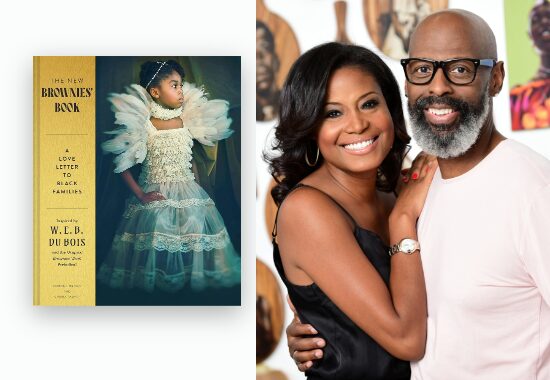
The New Brownies’ Book: W.E.B DuBois, Karida L. Brown, and Charly Palmer

Book Corner:

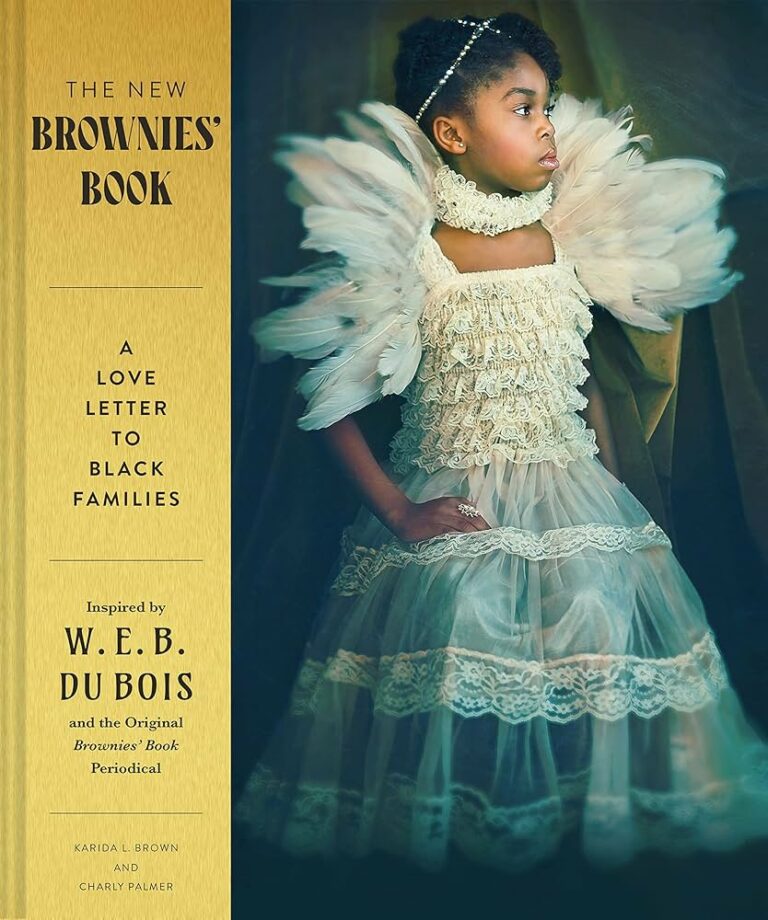
The New Brownies' Book
A Love Letter to Black Families

From Chronicle Books

Inspired by the groundbreaking work of W. E. B. DuBois, this beautiful collection brings together an outstanding roster of Black creative voices to honor and celebrate Black excellence.

The New Brownies' Book reimagines the very first publication created for African American children in 1920 as a must-have anthology for a new generation. Expanding on the mission of the original periodical to inspire the hearts and minds of Black children across the country, esteemed scholar Karida L. Brown and award-winning artist Charly Palmer have gathered the work of more than fifty contemporary Black artists and writers. The result is a book bursting with essays, poems, photographs, paintings, and short stories reflecting on the joy and depth of the Black experience-an immersive treasure trove that reminds readers of all ages that Black is brilliant, beautiful, and bold.

IMPORTANT HISTORICAL LEGACY: In 1920, W. E. B. Du Bois and the founders of the NAACP published The Brownies' Book: A Monthly Magazine for Children of the Sun, which included art, stories, letters, and activities to inspire children, share Black history, and celebrate their identities. As the first periodical for African American youth, this was an important work in the history of children's literature. The New Brownies' Book revives its mission to inspire the young readers of today.

Black Excellence

INCREDIBLE CONTRIBUTORS: This book features the work of talented and exciting Black creators, including playwright and poet Ntozake Shange, writer and editor Damon Young, Def Poetry Jam co-creator and painter Danny Simmons, sociologist and educator Dr. Bertice Berry, children's book illustrator James E. Ransome, muralist Fabian Williams, collage artist Marryam Moma, and many more.

BEAUTIFUL KEEPSAKE: This collection presents a celebratory array of artwork, from detailed paintings and drawings to photographs and collages. It includes stories meant to be shared by children and adults, offering a way for all families-especially Black families-to connect across generations through the power of literature. With its meaningful content and deluxe packaging, this hardcover volume makes a thoughtful gift for new parents, grandparents, or inquisitive readers of all ages.

Karida L. Brown and Charly Palmer

Note to TRJ Parents:

This beautiful book is packed with content that will inspire joy, evoke sadness, and demand reflection.  Before diving in with children and young people, be sure to read through some of the essays, poetry, and articles.  In the center of the book is a graphic essay entitled “I Don’t Want to be Black” -  story and art by KEEF Cross and written by Shannon Byrd.  It’s a very relevant commentary on how some Black children wish they were not Black because of how they are treated.  Please be sure to read this one and process before you read with children.   Not every Black child might wish they were not Black but some may and voice that and some may and not. This essay can be a good starting place to explore the topic when you are ready.  


Celebrating a Decade of Dedication: Honoring Avril McInally’s Inspiring Journey with TRJ

by TRJ Executive Director, April Dinwoodie

Honoring Avril McInally

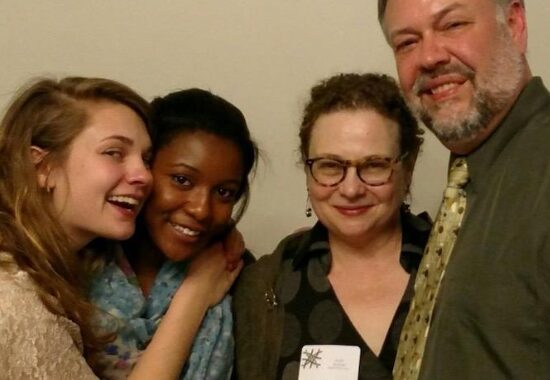
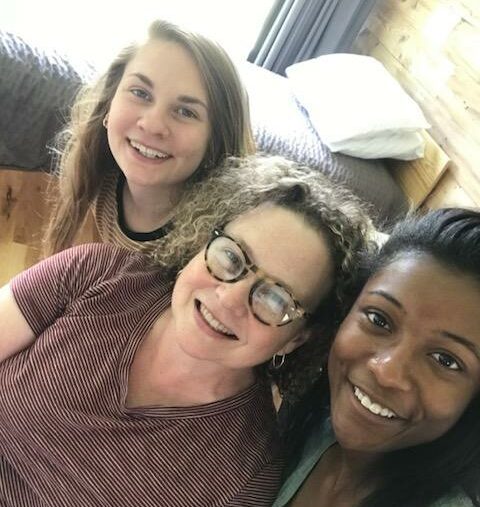
A decade ago, Transracial Journeys (TRJ) was graced by the presence of an exceptional individual, Avril McInally. Her relationship with TRJ has been nothing short of transformative, not only for her family but for our extended family of adoption. As Avril takes her leave from the TRJ Board of Directors, her commitment and contributions will always be remembered.

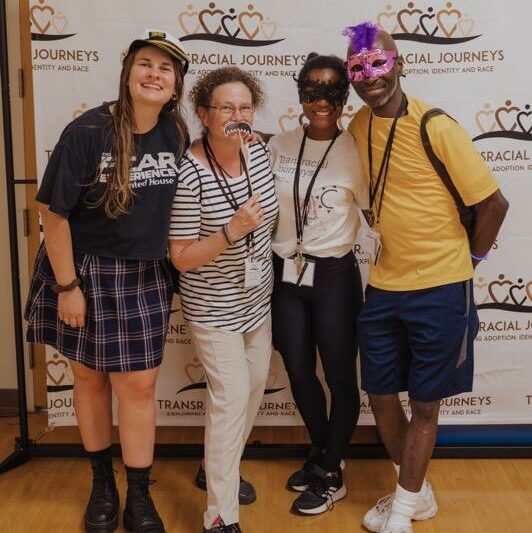
Avril's journey began when she and her daughter Mary attended their first camp, in northern Pennsylvania. Inspired by their initial camp experience, Avril and Mary became dedicated volunteers, and Mary evolved into a counselor-in-training and Co-Director of Children’s Programming. Avril's other daughter, Maggie, also joined as a camp counselor, solidifying their family's bond through TRJ's unique experiences.

The McInally connection to TRJ has fortified their multiracial family formed through adoption. Through TRJ, they have delved into discussions about adoption, race, racism, family, and trauma. Avril acknowledges the pivotal role that TRJ has played in helping her balance these complex issues. The organization has provided them with a platform to explore and commit to these important matters, fostering a sense of security and solidarity among them.

Avril has witnessed firsthand the transformative impact of TRJ on its counselors, who found a sense of community among their peers. She encourages families with teenage children to consider becoming counselors-in-training, emphasizing the privilege she has experienced in watching counselors she has known since childhood blossom into inspiring leaders.

Avril's journey with TRJ took another significant turn when she joined the board and later became an officer. As the board secretary, she dedicated herself to various tasks, from recording meeting minutes to fundraising, building connections, and helping to organize annual camps. Her contributions extended to creating content for the monthly newsletter and curating an annual bibliography of essential books for families.

While Avril recently retired from her lifelong career as a public librarian and embarked on her small business venture, an exciting opportunity emerged. She was invited to write music for an independent film. Despite her deep sense of honor and curiosity, Avril realized that she couldn't fully commit to the project without relinquishing another responsibility. With a heavy heart, she made the difficult decision to tender her resignation from the TRJ board.

As Avril McInally steps away from her role as board secretary at TRJ, her spirit continues to resonate. Her camaraderie and unwavering dedication have left an indelible mark, and her hope for TRJ's continued growth and success remains. Avril's journey with TRJ serves as an inspiration to all, a testament to the transformative power of commitment and community. Thank you, Avril for the decade of dedication to TRJ. We are deeply grateful and we look forward to our continued connection.