By April Dinwoodie
This spring, we're offering a two-part series:
Celebrating the Many Hands and Hearts That Hold Us — an exploration of what it means to honor family expansively through the lens of adoption.
As an adopted person — and someone in deep community with others who share this experience — I know firsthand that Mother’s Day and Father’s Day can be powerful, complicated, and deeply emotional.
Some years, Mother’s Day filled me with joy and gratitude. Other years, there was a quiet ache — a wondering about the woman who gave me life and the life I might have had. Even as I loved the mother who raised me, there was still a part of me reaching for something... or someone... just out of reach. That layered experience is not unique to me. It's woven into the lives of so many adopted persons. No matter how we may feel, the reminders of the day will come through messages from advertisers and people in the world.
In this first part of our series, we focus on Mothers’ Day — the emotions it carries, the opportunities it presents, and how adoptive parents can hold space for the many hands and hearts that are part of a child’s life.
Mothers’ Love — And More Than One
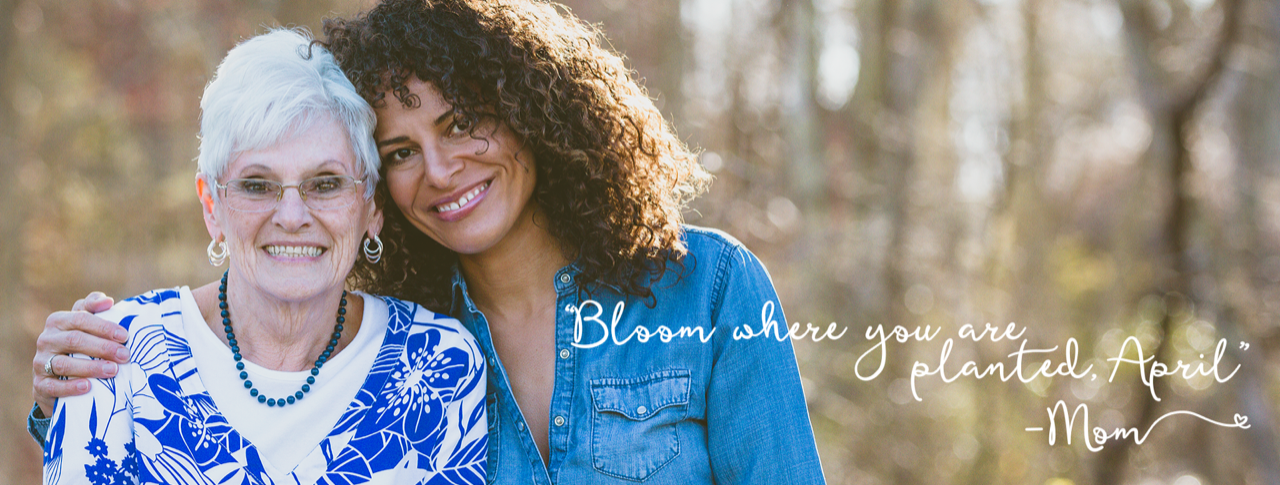
For many humans, the word "mother" is layered. Those layers multiply when adoption is part of the reality. There may be a mother of origin whose love and/or loss shaped the beginning of life. There may be a mother who raises and nurtures day by day. There may be foster mothers, grandmothers, mentors, aunties — so many figures who mother in ways both large and small.
Parenting a child through adoption means embracing the truth of multiple mothering experiences. It means making space for children to hold both love and grief, gratitude and longing, knowns and unknowns — often at the same time.
Mother’s Day can be joyful and confusing. It can be a time of celebration and sadness.
When adoptive parents acknowledge these truths openly — and work toward an authentic, expansive relationship to family — they give their children the greatest gift:
permission to be whole.
Moving Beyond the Traditional
Mother’s Day traditions often promote a narrow, idealized image of family: one mother, one perfect bond. But real life — especially in adoption — is wider, deeper, and more complex.
Not every child feels only happiness on Mother’s Day. Not every parent feels fully secure. And not every family is mother-led. Some families have two dads, one dad, or caregivers whose parenting journeys don't fit traditional categories.
All families — your family — deserve celebration, visibility, and support.
One important element to remember: even if your family has expanded your view of "mother," schools, religious institutions, and the broader world may not have.
It’s important to talk with professionals connected to your child's life — teachers, coaches, mentors — so they understand your family’s structure and values heading into this season.
Takeaways for Mothers’ Day in Adoption
Here are some ways you can expand and deepen your celebration:
1. Honor All Mother Figures
- Name and honor mothers of origin, foster mothers, grandmothers, aunties — anyone who has poured love or care into your child's life.
- Acknowledge them aloud, even if your child is young or doesn’t yet have words for their feelings.
- Even if your family doesn’t include a mother-figure at home, you can still honor those who have mothered along the way.
Example: “I wonder if the mother who was part of your life at the beginning liked flowers too…”
2. Reflect on Your Own Parenting Journey and Feelings About Mothering
- Spend time before the holiday exploring your own feelings about mothering and being mothered — or, if you identify as a dad or another caregiver, how you relate to mothering energy.
- Ask yourself: What parts of caregiving feel expansive for me? Where do I still need to grow?
Tip: Even a few minutes of reflection or journaling can help you show up more grounded and open.
3. Create a Space for Mixed Emotions
- Let children know it’s okay to feel happy, sad, confused, or even angry around Mothers’ Day.
- Normalize that missing, wondering about, or even mourning a mother-figure doesn't diminish their love for you.
Example: “It’s okay to love me and miss someone else at the same time. That’s part of our lives.”
4. Build Bridges, Not Barriers
- Find ways to stay connected to family of origin — even symbolically. Remember: they are part of your family too.
- If direct contact isn’t possible, honor their existence through storytelling, memory-making, or simple rituals.
Example: Light a candle or plant a flower in honor of all the people who are part of your child’s existence.
Becoming the Bridge
As adoptive parents, you are not meant to erase what came before — you are meant to build a bridge to it. You are entrusted with the sacred responsibility of helping the child entrusted to you weave a whole and honest holding of family.
This Mothers’ Day, celebrate expansively. Hold space for the complexity.
Honor the many hands and hearts that shape your child’s life — including your own.
Traditional celebrations may not always fit your family’s ethos perfectly — and that’s okay. With preparation, conversation, and a growth mindset, your family can face the world with pride, connection, and resilience.
When we do this, deeper roots and stronger bonds are formed.
Listen to the Calendar Conversations podcast to hear more about naming and claiming in Adoption. And follow April on social media @JuneinApril and on YouTube @April Dinwoodie
Posts Related to Motherhood and Transracial Adoption