
Black Excellence – Dr. Maulana Karenga

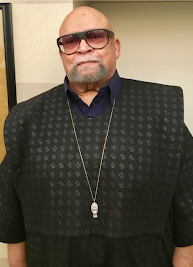
🕯️ Dr. Maulana Karenga: A Tradition of Self-Determination in the December Holidays

The end of the year invites reflection on our most cherished traditions. For the Black community, this reflection is often rooted in the dynamic legacy of Dr. Maulana Karenga, the scholar and activist who gifted the world with Kwanzaa in 1966. His creation is the ultimate example of an evolving tradition, offering a profound cultural framework for African Americans to celebrate themselves, their history, and their future during the December holiday season.

Kwanzaa, celebrated from December 26th to January 1st, was established in the aftermath of the 1965 Watts Rebellion in Los Angeles. Dr. Karenga conceived of the holiday not merely as an observance, but as an act of cultural recovery and reconstruction.

At its core, Kwanzaa was a conscious decision to evolve the holiday landscape. It was created to provide a non-religious, pan-African alternative and complement to existing December celebrations, allowing African Americans to root their end-of-year gatherings in collective values and African heritage.

"My goal was to 'give black people an opportunity to celebrate themselves and their history, rather than simply imitate the practice of the dominant society.'" - Dr. Maulana Karenga

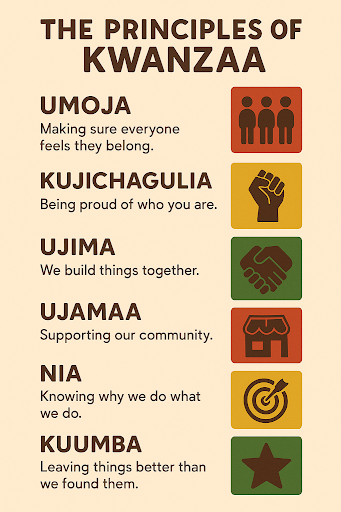
The foundational structure of Kwanzaa is the Nguzo Saba (The Seven Principles), a set of communitarian values drawn from African philosophy. These principles perfectly embody the idea of expanding our thinking and actions, transforming abstract ideals into a seven-day commitment to community building:

Day 1 Umoja: Unity - Family, community, nation, and race.

Day 2 Kujichagulia: Self-Determination - To define, name, create, and speak for ourselves.

Day 3 Ujima: Collective Work & Responsibility - To build and maintain our community together.

Day 4 Ujamaa: Cooperative Economics - To build and profit from our own businesses together.

Day 5 Nia: Purpose - To restore our people to their traditional greatness.

Day 6 Kuumba: Creativity - To leave our community more beautiful and beneficial than we inherited it.

Day 7 Imani: Faith - To believe in our people and the righteousness of our struggle.

By dedicating each day to a principle, Kwanzaa actively fosters a tradition of reflection, self-affirmation, and collective action. It is a powerful cultural tool that helps families take a closer look at what traditions mean to us—shifting the focus from commercialism to ethical and communal values.

While originally conceived as an alternative to Christmas, Kwanzaa has matured into a celebrated and integrated part of the African American holiday experience. Many families choose to celebrate both holidays, weaving the cultural strength of the Nguzo Saba into their religious or secular Christmas observances.

Dr. Karenga's work has had a lasting impact by:

  • Providing Cultural Grounding: Offering a tangible way for people of African descent to connect with their ancestry and culture during the festive season.
  • Encouraging Self-Definition: Living up to the principle of Kujichagulia (Self-Determination) by having a holiday created by and for the Black community.
  • Fostering Unity: The emphasis on the Kikombe cha Umoja (Unity Cup) and the culminating feast (Karamu) on December 31st reinforces the essential communal spirit.

Dr. Maulana Karenga’s Kwanzaa remains a monumental example of Black excellence, demonstrating that the most enduring and meaningful traditions are often those we have the courage to create for ourselves.

Black Excellence Posts:

Each month, we take time to highlight the remarkable contributions of Black leaders, trailblazers, and changemakers whose impact continues to shape our world. These stories serve as a valuable opportunity for transracial families to learn, reflect, and engage in meaningful conversations about Black history and culture. We invite you to explore our past Black Excellence features in the carousel below, where you’ll find inspiring figures from various fields—activism, science, arts, sports, and beyond. If you haven’t already, be sure to subscribe to our monthly newsletter to receive these stories, along with discussion prompts and book recommendations, right in your inbox.



Black Excellence – Dr. Tiya Miles

Dr. Tiya Miles: Weaving Truth and History

As we gather around our holiday tables this November -National Adoption Awareness Month -we’re reminded of how stories shape our understanding of family, history, and home. This month’s Black Excellence spotlight honors Dr. Tiya Miles, a historian and storyteller whose work helps us see the fullness of those connections.

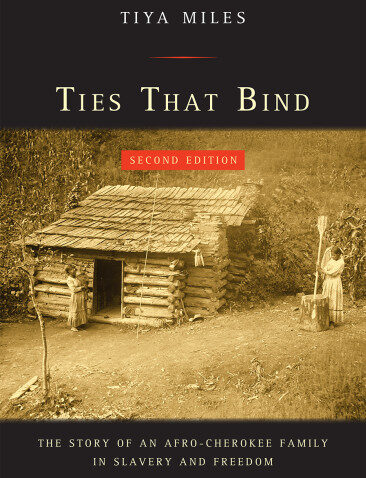
Dr. Miles is the author of Ties That Bind: The Story of an Afro-Cherokee Family in Slavery and Freedom, a groundbreaking book that explores the intertwined lives of African and Cherokee people in early America. Through this and subsequent works -including The House on Diamond Hill: A Cherokee Plantation Story, The Dawn of Detroit: A Chronicle of Slavery and Freedom in the City of the Straits, and her National Book Award -winning All That She Carried: The Journey of Ashley’s Sack, a Black Family Keepsake -Miles invites us to look beyond simplified narratives and into the layered, lived realities of identity, land, and lineage.

Her writing sits at the crossroads of African American, Native American, and women’s histories - places where truth is often complex and sometimes painful, but always necessary. Like the work of families navigating transracial adoption, Miles’s research calls us to open our eyes to what’s been missing and to honor the beauty that emerges when we do.

In a month that asks us to reflect on both thankfulness and truth, Dr. Tiya Miles reminds us that telling the whole story -of our families, our nation, and ourselves -is an act of love. Her scholarship is a model of what it means to hold history tenderly and to make space at the table for every part of who we are.

Learn more about Dr. Miles’s work at www.tiyamiles.com.

Black Excellence Posts:

Each month, we take time to highlight the remarkable contributions of Black leaders, trailblazers, and changemakers whose impact continues to shape our world. These stories serve as a valuable opportunity for transracial families to learn, reflect, and engage in meaningful conversations about Black history and culture. We invite you to explore our past Black Excellence features in the carousel below, where you’ll find inspiring figures from various fields—activism, science, arts, sports, and beyond. If you haven’t already, be sure to subscribe to our monthly newsletter to receive these stories, along with discussion prompts and book recommendations, right in your inbox.



Black Excellence Spotlight – Ryan Coogler

Black Excellence-Ryan Coogler

Unmasking through Film

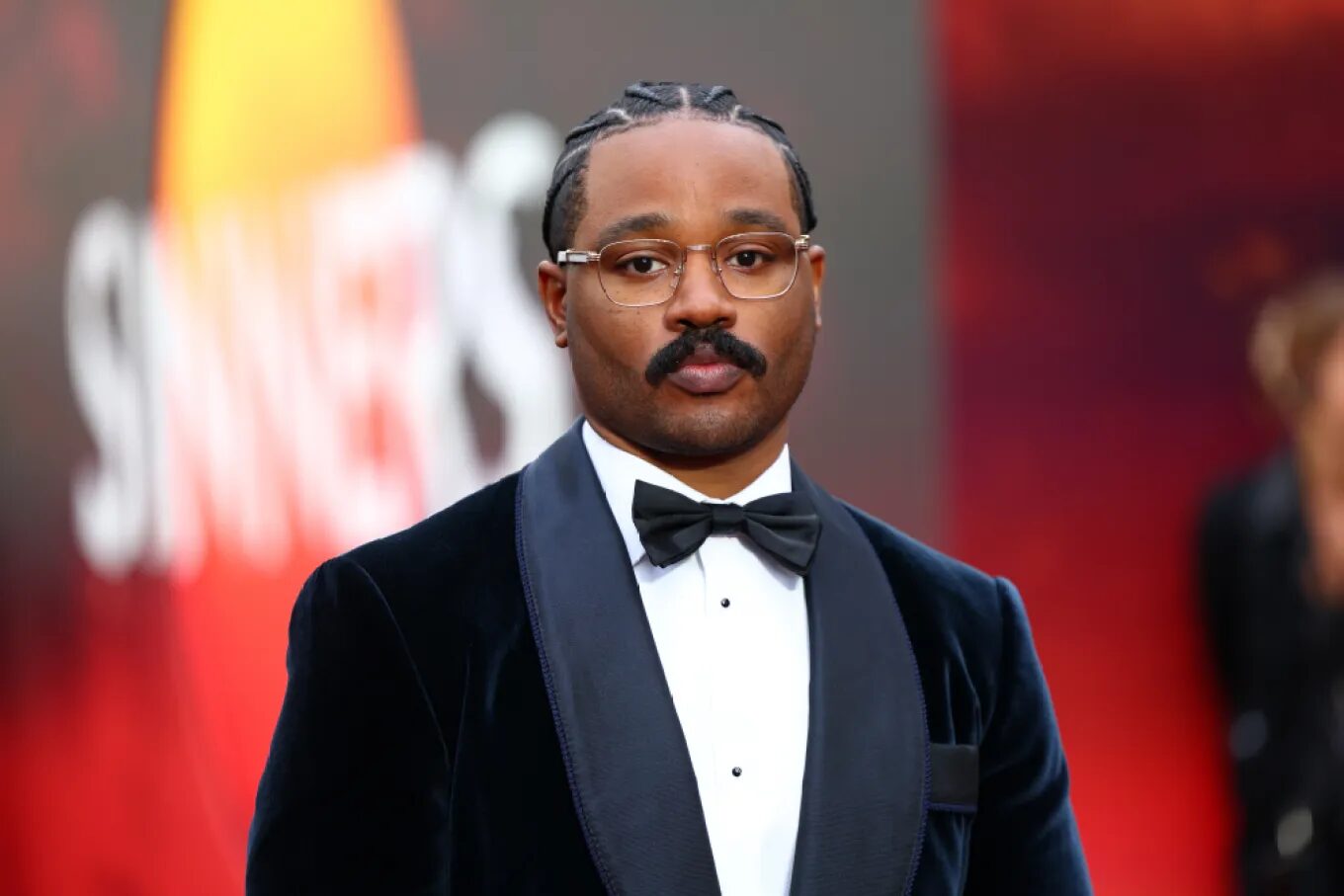
Ryan Coogler is one of today’s most visionary Black filmmakers, celebrated for using cinema to explore the hidden sides of identity, race, and truth. With films like Fruitvale Station, Creed, and Black Panther, and most recently Sinners (2025), Coogler continuously asks: What parts of ourselves do we reveal, and what do we conceal just to survive or belong?​​

In Sinners, Coogler crafts a haunting story of twin Black brothers in the Jim Crow South, each forced to wear social and personal masks to protect themselves from a brutal world. Through supernatural suspense, the movie reveals the reality that masking isn’t just about hiding—it’s about endurance, resistance, and hope in the face of relentless expectations and danger.​​

Coogler’s work resonates deeply for anyone who has ever felt compelled to disguise their true self in order to be accepted. He challenges viewers to look beyond society’s assumptions, listen to the stories beneath the surface, and create space for authenticity and pride—making unmasking a courageous act of Black excellence.​​

Black Excellence Posts:

Each month, we take time to highlight the remarkable contributions of Black leaders, trailblazers, and changemakers whose impact continues to shape our world. These stories serve as a valuable opportunity for transracial families to learn, reflect, and engage in meaningful conversations about Black history and culture. We invite you to explore our past Black Excellence features in the carousel below, where you’ll find inspiring figures from various fields—activism, science, arts, sports, and beyond. If you haven’t already, be sure to subscribe to our monthly newsletter to receive these stories, along with discussion prompts and book recommendations, right in your inbox.


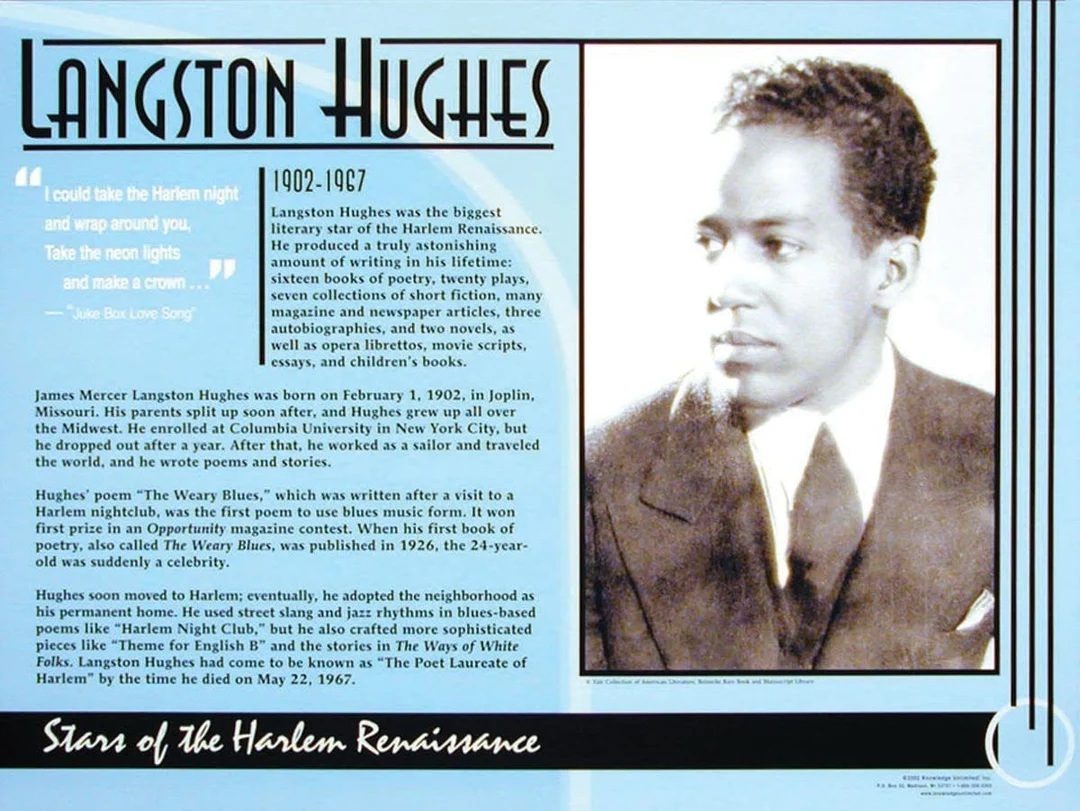
Black Excellence: Langston Hughes and Aaron Douglas

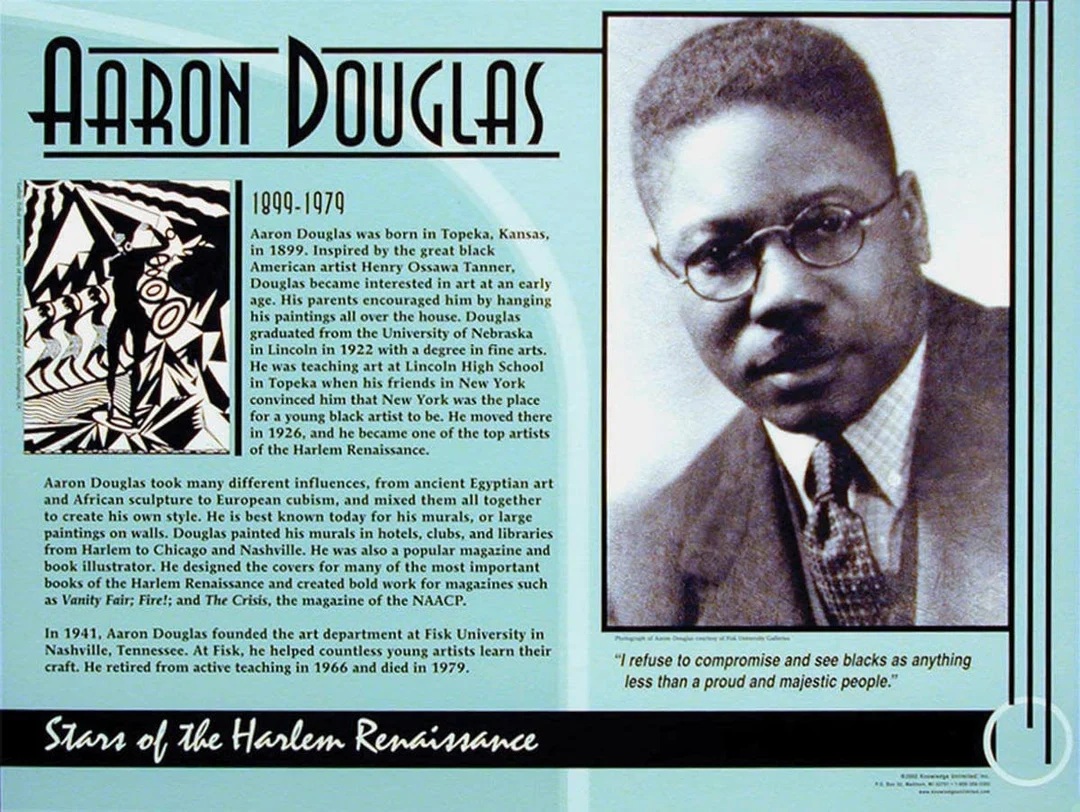
Aaron Douglas - Black Excellence

Giants of the Harlem Renaissance

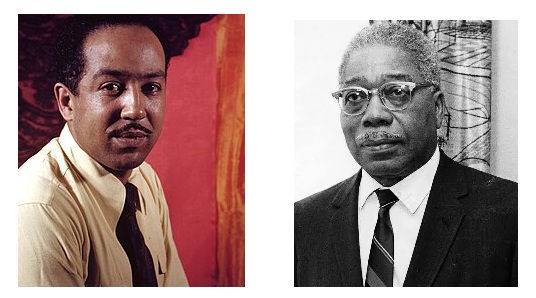
Langston Hughes and Aaron Douglas, two giants of the Harlem Renaissance, embodied Black excellence by using their art to redefine what it meant to be Black in America. Their work was more than creative expression; it was a powerful tool for teaching vital lessons and fostering a deep sense of belonging within the Black community.

The Lessons They Taught

Hughes and Douglas taught that Black culture and identity were sources of immense pride and dignity, not subjects of shame or imitation. They created a visual and literary language that affirmed Blackness and celebrated its unique beauty.

  • Cultural Affirmation: Langston Hughes's work was deeply influenced by the blues and jazz music of his time. He wrote in a direct, accessible style, giving voice to a community that had been largely ignored or stereotyped. His work, like "The Negro Speaks of Rivers," connected the Black experience to ancient African history, providing a profound sense of continuity and heritage. This taught that Black life was not defined by its suffering but by its resilience and rich cultural legacy.
  • Art as Activism: Aaron Douglas used his distinct style, which blended African art with modernism, to tell the story of the Black American journey. His famous murals, such as "Aspects of Negro Life," depicted the path from slavery to the vibrant culture of the Harlem Renaissance. This visual storytelling taught that art could be a powerful tool for social change, education, and resistance against oppression.

Fostering a Sense of Belonging

Beyond their individual art, their collaboration and influence built a foundation for a new kind of belonging.

  • Mirroring and Representation: Both artists provided essential "mirroring" for the Black community. For the first time, Black people saw themselves as the central subjects of high art and serious literature. Douglas's striking silhouettes and Hughes's heartfelt poems created a reflection of Black identity that was beautiful, complex, and aspirational. This was crucial for a sense of belonging in a society that often tried to render Black people invisible.
  • Creating Community: The Harlem Renaissance itself was a hub of Black excellence, and Hughes and Douglas were at its center. Their shared work fostered a collaborative environment where artists, writers, and intellectuals built a community of support and inspiration. This taught that true belonging comes from shared purpose and collective creation.

Together, Hughes and Douglas were a dynamic duo. They collaborated frequently, with Douglas illustrating Hughes's work, a partnership that taught the power of community and collective progress. Their combined artistic legacy proved that Black excellence is not just about individual achievement but about using one's gifts to create a lasting cultural foundation that affirms, uplifts, and empowers an entire community.

Black Excellence Posts:

Each month, we take time to highlight the remarkable contributions of Black leaders, trailblazers, and changemakers whose impact continues to shape our world. These stories serve as a valuable opportunity for transracial families to learn, reflect, and engage in meaningful conversations about Black history and culture. We invite you to explore our past Black Excellence features in the carousel below, where you’ll find inspiring figures from various fields—activism, science, arts, sports, and beyond. If you haven’t already, be sure to subscribe to our monthly newsletter to receive these stories, along with discussion prompts and book recommendations, right in your inbox.


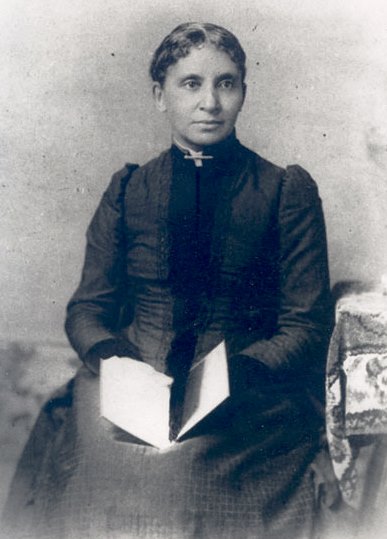
Black Excellence: Charlotte Forten Grimké

Championing education and equality: The legacy of Charlotte Forten Grimké

Charlotte Forten Grimké stands as a testament to Black excellence in education and activism. Her life, though marked by challenges, demonstrates a powerful commitment to fighting for racial and gender equality through the transformative power of learning.

Born in 1837 into a prominent abolitionist family in Philadelphia, Forten's early education took place at home, as her father refused to send her to the city's segregated public schools. However, a significant turning point arrived when, at 16, she moved to Salem, Massachusetts, to live with the abolitionist Remond family and attend Higginson Grammar School. This relocation, which can be seen as an informal adoption into a more progressive educational and social environment, profoundly shaped her future. Forten's mother died when she was three, and her father, Robert Bridges Forten, did not want her to attend Philadelphia's segregated schools. Instead, he sent her to the more progressive Salem, Massachusetts, where she boarded with the Remond family, who were also prominent Black abolitionists. The move to the Remond family's household provided Charlotte with the opportunity to pursue a higher quality and integrated education not available to her in Philadelphia.

In Salem, Forten gained access to an integrated education that had been denied to her in Philadelphia. She attended Higginson Grammar School, where she was the only Black student in a class of 200, and later the Salem Normal School (now Salem State University), training to become a teacher.

Forten's time in Salem further immersed her in the abolitionist movement. Living with the Remonds and joining the Salem Female Anti-Slavery Society connected her with prominent figures like William Lloyd Garrison. She began publishing her own poetry and essays in abolitionist periodicals, using her voice to advocate for change. This period marked the emergence of her powerful literary and activist voice.

Forten’s commitment to education and equality led her to the Sea Islands of South Carolina during the Civil War as part of the Port Royal Experiment. There, she joined efforts to establish schools for formerly enslaved people, according to Horizons National. This was a pivotal time where she connected with the Gullah people and experienced firsthand the thirst for knowledge among a community that had been denied access to formal education. Although initially met with skepticism by some, she earned their trust and affection, chronicling her experiences in her journals and published essays like "Life on the Sea Islands". These writings not only documented her personal experiences but also provided valuable insights into the lives of both free and enslaved Black Americans during this tumultuous period.

After the war, Forten Grimké continued her work as an educator and activist, serving the Freedmen's Union Commission and teaching at various schools. She later married Reverend Francis J. Grimké, a prominent Presbyterian minister and civil rights advocate. Together, they continued their fight for racial justice and equality, with Charlotte becoming a co-founder of the Colored Women's League and actively involved in the women's suffrage movement. Charlotte Forten Grimké's story is a powerful reminder of the enduring spirit of Black excellence. Her determination to seek education, her unwavering commitment to social justice, and her eloquent use of words to fight for equality continue to inspire generations. Her legacy is one of resilience, leadership, and a profound belief in the transformative power of education for all.

Black Excellence Posts:

Each month, we take time to highlight the remarkable contributions of Black leaders, trailblazers, and changemakers whose impact continues to shape our world. These stories serve as a valuable opportunity for transracial families to learn, reflect, and engage in meaningful conversations about Black history and culture. We invite you to explore our past Black Excellence features in the carousel below, where you’ll find inspiring figures from various fields—activism, science, arts, sports, and beyond. If you haven’t already, be sure to subscribe to our monthly newsletter to receive these stories, along with discussion prompts and book recommendations, right in your inbox.


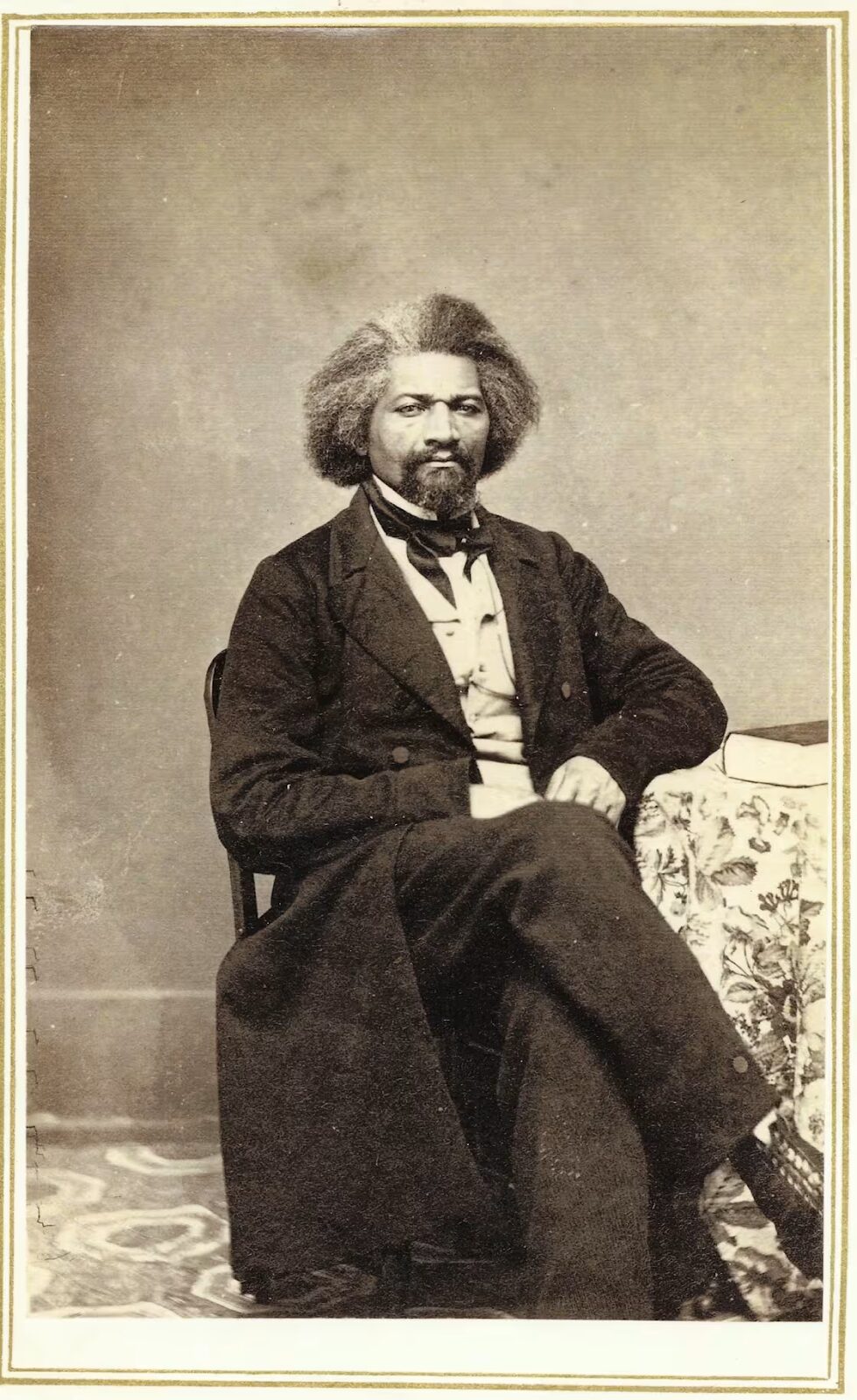
Black Excellence: Frederick Douglass

One of the Most Influential Abolitionists and Human Rights Advocates in American History

Frederick Douglass stands as an undeniable pillar of Black excellence, his life an unwavering testament to the power of self-liberation, intellect, and the relentless pursuit of justice. Born into the brutal dehumanization of slavery in Talbot County, Maryland, around 1818, Douglass's journey from bondage to becoming one of the most influential abolitionists and human rights advocates in American history is a profound narrative of resilience and triumph.

Douglass's early life under slavery exposed him to its inherent cruelties, but also ignited in him an unquenchable thirst for knowledge. He famously taught himself to read and write, understanding that literacy was a pathway to freedom and a weapon against oppression. This self-education became the foundation of his extraordinary career as an orator and writer.

After escaping slavery in 1838, Douglass quickly rose to prominence in the abolitionist movement. His powerful autobiography, Narrative of the Life of Frederick Douglass, an American Slave, published in 1845, laid bare the horrors of slavery with an eloquence that captivated and shocked readers, forcing many to confront the institution's barbarity. Through his speeches, particularly his searing 1852 address, "What to the Slave Is the Fourth of July?", Douglass masterfully exposed the profound hypocrisy of celebrating liberty while millions remained enslaved. He challenged America to live up to its founding ideals, arguing that the nation's festivities were "a thin veil to cover up crimes which would disgrace a nation of savages."

Beyond his fight against slavery, Douglass was a tireless advocate for women's suffrage and other civil rights, recognizing the interconnectedness of all struggles for freedom.

Douglass's personal life also reflected his commitment to transcending societal norms. He married Anna Murray, a free Black woman, in 1838, shortly before his escape from slavery. Together, they had five children: Rosetta, Lewis Henry, Frederick Jr., Charles Remond, and Annie. After Anna's death in 1882, Douglass married Helen Pitts, a white suffragist, in 1884. This second marriage sparked considerable controversy, drawing strong objections from both white and Black communities due to prevailing racial attitudes against interracial relationships. Some within the Black community felt he had abandoned his race. However, Douglass famously defended his marriage, asserting that love transcended racial lines and living out the principles of equality he advocated in his public life.

He continued to champion equality for African Americans in various government positions after the Civil War, until his death in 1895.

Frederick Douglass's legacy is immense. He not only helped dismantle slavery but also laid intellectual groundwork for the ongoing fight for civil rights. His life exemplifies how one individual, armed with conviction, courage, and a powerful voice, can ignite profound social change and remain a beacon of hope and determination for generations to come. His unwavering commitment to truth, justice, and the full humanity of all people makes him an enduring figure of Black excellence.

Black Excellence Posts:

Each month, we take time to highlight the remarkable contributions of Black leaders, trailblazers, and changemakers whose impact continues to shape our world. These stories serve as a valuable opportunity for transracial families to learn, reflect, and engage in meaningful conversations about Black history and culture. We invite you to explore our past Black Excellence features in the carousel below, where you’ll find inspiring figures from various fields—activism, science, arts, sports, and beyond. If you haven’t already, be sure to subscribe to our monthly newsletter to receive these stories, along with discussion prompts and book recommendations, right in your inbox.


Black Excellence: Albert Ely Edwards

A Legacy Forged in Service, Family, and Freedom: The Enduring Impact of Albert Ely Edwards, the "Father of Juneteenth"

In the tapestry of Black excellence, certain threads shine with particular brilliance, woven from dedication, foresight, and an unwavering commitment to community. Albert Ely Edwards stands as one of these luminous figures, a man whose life was a testament to the power of public service, whose legacy continues to resonate deeply within the communities he served and the family he nurtured, and whose tireless efforts earned him the revered title of the "Father of Juneteenth."

Born in the post-Reconstruction era, Edwards navigated a landscape often fraught with racial prejudice and systemic barriers. Yet, he rose above these challenges, demonstrating an extraordinary capacity for leadership and a profound dedication to uplifting his fellow citizens. While specific details of his early life might require deeper historical dives, his impact as a public servant is well-documented and celebrated.

Edwards was a pioneering force in the political arena. He broke barriers and opened doors, demonstrating that Black voices were not only vital but essential to the democratic process. His work in advocating for equitable resources, championing civil rights, and fighting for fair representation laid crucial groundwork for future generations. He understood that true progress required a seat at the table, and he tirelessly worked to ensure that those seats were accessible to all.

Beyond the political realm, Edwards' influence undoubtedly extended into the social and economic fabric of his community. Like many Black leaders of his time, he likely played a pivotal role in establishing and strengthening institutions that served the needs of African Americans – from schools and churches to benevolent societies and businesses. These were the anchors of resilience and self-determination in an era of segregation, and the efforts of individuals like Edwards were instrumental in their success.

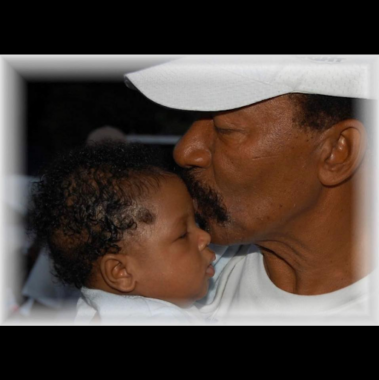
Crucially, Albert Ely Edwards' excellence was not confined solely to his public achievements; it was also reflected in his role as a father. While historical records might not always highlight the intimate details of family life, the very nature of his public service – fighting for a better world, advocating for future generations, and building stronger communities – speaks volumes about the values he would have instilled in his own children. A father committed to justice and equality would undoubtedly have raised his children with a strong moral compass, a sense of civic duty, and the resilience to navigate a complex world. He would have been a living example of perseverance and the importance of contributing to something larger than oneself.

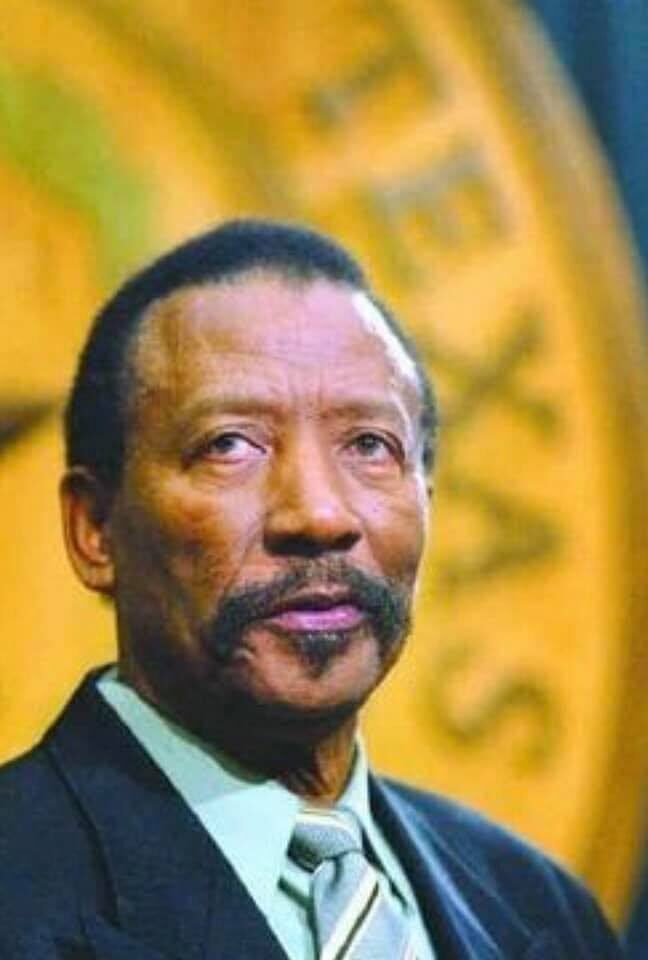
However, it is his singular dedication to the recognition of Juneteenth that forever etched his name into the annals of American history. While serving as a Texas State Representative in 1979, Edwards authored and successfully sponsored House Bill 1016, making Texas the very first state to officially recognize June 19th (Juneteenth) as a paid state holiday. This groundbreaking achievement was not merely a legislative victory; it was a profound act of historical reclamation and a powerful statement of enduring freedom.

But Edwards' vision extended far beyond the borders of Texas. He understood the national significance of Juneteenth and tirelessly campaigned for its widespread adoption. In 1985, he founded Juneteenth, USA, the oldest Juneteenth non-profit advocacy organization in the nation. For over four decades, Edwards dedicated his life to ensuring that America fully acknowledged the historical significance of the abolition of slavery and the emancipation of African Americans on June 19, 1865. Through his persistent advocacy, he inspired legislative efforts across the country, leading to over 30 states recognizing Juneteenth as a holiday before his passing.

The essence of Black excellence lies not just in individual achievement, but in the collective upliftment it inspires. Albert Ely Edwards embodied this principle, extending his commitment to community directly into the heart of his family, and to the very fabric of American remembrance. His career was not merely about personal accolades, but about creating opportunities and fostering an environment where both his community and his own children could thrive. He understood that the fight for equality was a marathon, not a sprint, and he dedicated his life to advancing the cause, one step at a time, leaving a monumental legacy of public service, paternal guidance, and ultimately, the national recognition of a pivotal moment in American history.

Today, as we reflect on the ongoing journey towards a more just and equitable society, it is imperative to remember and celebrate the contributions of figures like Albert Ely Edwards, the "Father of Juneteenth." His life serves as a powerful reminder that excellence is not defined by the absence of struggle, but by the courage to confront it, the vision to overcome it, and the unwavering commitment to building a better future for all – both in the broader society and within the sacred bonds of family. His legacy is a beacon, illuminating the path forward and inspiring us to continue the work of forging a truly inclusive and equitable world for generations to come.


Black Excellence Posts:

Each month, we take time to highlight the remarkable contributions of Black leaders, trailblazers, and changemakers whose impact continues to shape our world. These stories serve as a valuable opportunity for transracial families to learn, reflect, and engage in meaningful conversations about Black history and culture. We invite you to explore our past Black Excellence features in the carousel below, where you’ll find inspiring figures from various fields—activism, science, arts, sports, and beyond. If you haven’t already, be sure to subscribe to our monthly newsletter to receive these stories, along with discussion prompts and book recommendations, right in your inbox.


Black Excellence: Habeebah Rasheed Grimes

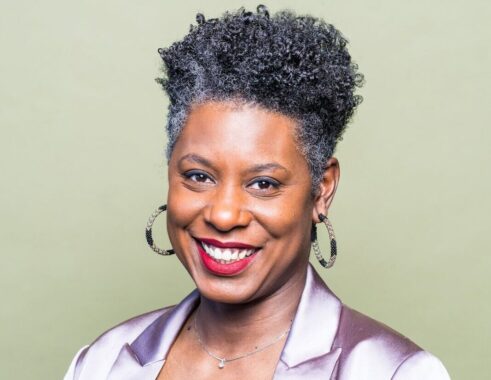
Habeebah Rasheed Grimes stands as a powerful embodiment of Black excellence, dedicating her life's work to uplifting and healing vulnerable children, particularly within the Northeast Ohio community. As the Chief Executive Officer of the Positive Education Program (PEP), Grimes leads a dedicated staff of nearly 400 professionals committed to providing culturally affirming and trauma-informed care to young people who have experienced significant adversity and mental health challenges.

Her journey is marked by a deep understanding of the impact of trauma, particularly as a collective and embodied experience. Recognizing the profound harm that trauma and chronic stress inflict on the lives of the children PEP serves, Grimes spearheaded the agency's certification as a Phase 2 Neurosequential Model of Therapeutics (NMT) site, working closely with The Neurosequential Network. This demonstrates her commitment to utilizing cutting-edge, evidence-based practices to support healing. Furthering her expertise, she has also completed training in Foundations in Somatic Abolitionism, highlighting her holistic approach to addressing trauma.

Grimes's dedication extends beyond her leadership at PEP. A valued voice within the adoption community, she also spoke at the TRJ Family Camp in 2011, sharing her insights and expertise with families. She is a sought-after public speaker, community leader, and the creator of the "No Crystal Stair Podcast," a platform exploring the intersection of Black motherhood and social change. Her voice is crucial in advocating for culturally responsive care and addressing the systemic inequities that disproportionately affect Black and Brown children.

Her commitment to civic engagement is equally impressive. Grimes was recently appointed to the board of Prevent Child Abuse America and serves as a trustee of The Woodruff Foundation, which focuses on philanthropic support for behavioral health needs in Cuyahoga County. She chairs Cuyahoga County's Advisory Council on Equity and the Mental Health and Addiction Advocacy Coalition's Northeast Ohio Steering Committee. Additionally, she contributes her expertise to the OhioRISE (Resilience through Integrated Systems and Excellence) Advisory Council. Her past involvement includes serving on the State of Ohio's Children's Behavioral Health Prevention Stakeholder Group and Cleveland's 19 News advisory council for its "The Next 400" series. TRJ Family Camp in 2011.

Grimes's accomplishments have garnered significant recognition. She is a graduate of the Robert Wood Johnson Foundation's distinguished Ladder to Leadership program and an alumna of Leadership Cleveland's Class of 2020. In 2015, Crain's Cleveland Business honored her as a "40 Under 40" leader. She received Cleveland State University's 2019 Distinguished Alumni Award and was inducted into the Cleveland Heights High School Distinguished Alumni Hall of Fame in 2022.

Personally, Grimes's dedication is deeply rooted in her experience witnessing her brother's struggles with severe mental health challenges. Her work and service stand as a powerful tribute to his memory, fueling her passion for creating a more just and supportive world for vulnerable children and families. Habeebah Rasheed Grimes's unwavering commitment to healing, equity, and empowerment makes her a true exemplar of Black excellence, leaving an indelible mark on her community and beyond.


Black Excellence Posts:

Each month, we take time to highlight the remarkable contributions of Black leaders, trailblazers, and changemakers whose impact continues to shape our world. These stories serve as a valuable opportunity for transracial families to learn, reflect, and engage in meaningful conversations about Black history and culture. We invite you to explore our past Black Excellence features in the carousel below, where you’ll find inspiring figures from various fields—activism, science, arts, sports, and beyond. If you haven’t already, be sure to subscribe to our monthly newsletter to receive these stories, along with discussion prompts and book recommendations, right in your inbox.


Black Excellence – Jared Donahue Robinson

Jared Donahue Robinson

Jared Donahue Robinson, the visionary behind JDRobinsonCultureAnd.co, is a dynamic force driving cultural preservation and community empowerment through the lens of Black history and heritage. His work transcends mere historical documentation, evolving into a vibrant platform for education, celebration, and transformative dialogue. Robinson's dedication to reclaiming and amplifying Black narratives solidifies his place as a beacon of Black excellence.

Robinson's approach is rooted in the belief that understanding the past is crucial for shaping a prosperous future. He meticulously curates and presents historical information, not as static facts, but as living stories that resonate with contemporary audiences. His platform serves as a vital resource, offering a nuanced and authentic portrayal of Black experiences often overlooked or misrepresented in mainstream narratives.

Community Engagement & Intergenerational Dialogue

Central to his work is the emphasis on community engagement. He fosters spaces for intergenerational dialogue, encouraging the sharing of personal stories and collective memories. He understands that history is not just about dates and events; it's about the lived experiences of individuals and communities. By creating platforms for these voices to be heard, he empowers individuals to connect with their heritage and build a stronger sense of identity.

Making Black History Accessible & Engaging

Robinson's impact extends beyond traditional historical education. He leverages technology and creative mediums to make Black history accessible and engaging. His online platform features multimedia content, including videos, podcasts, and interactive presentations, that bring history to life. He also collaborates with artists and creatives to produce culturally relevant content that resonates with diverse audiences.

His work is characterized by a commitment to authenticity and accuracy. Robinson meticulously researches and verifies historical information, ensuring that the narratives he presents are grounded in truth. He challenges dominant historical narratives, offering alternative perspectives and highlighting the contributions of Black individuals and communities that have been marginalized or ignored.

Furthermore, Robinson actively cultivates educational initiatives that bring Black history into classrooms and community centers. He understands the importance of empowering young people with knowledge of their heritage, fostering a sense of pride and agency. By providing educators with resources and tools, he equips them to teach Black history in a meaningful and engaging way.

Family Camp 2025:

Adding to his commitment to community and education, Jared Donahue Robinson will be joining us at Family Camp this year. His presence will provide a unique opportunity for families to engage directly with his expertise and passion for Black history. This will offer a chance to further build connections, learn, and appreciate the importance of cultural understanding within transracial adoptive families.

Jared Donahue Robinson's commitment to cultural preservation and community empowerment is a testament to his unwavering dedication to Black excellence. He is not just preserving history; he is shaping the future by empowering individuals and communities to embrace their heritage and build a more just and equitable society. His work stands as a powerful reminder of the importance of reclaiming our narratives and celebrating the richness and complexity of Black history. Through his platform and his engagement with our community, he is ensuring that the stories of our past continue to inspire and empower generations to come.

Black Excellence Posts:

Each month, we take time to highlight the remarkable contributions of Black leaders, trailblazers, and changemakers whose impact continues to shape our world. These stories serve as a valuable opportunity for transracial families to learn, reflect, and engage in meaningful conversations about Black history and culture. We invite you to explore our past Black Excellence features in the carousel below, where you’ll find inspiring figures from various fields—activism, science, arts, sports, and beyond. If you haven’t already, be sure to subscribe to our monthly newsletter to receive these stories, along with discussion prompts and book recommendations, right in your inbox.


Black Excellence – Rachel Briggs

For those that have been at TRJ camp these last couple of years, our example of Black Excellence for this month is a familiar face that brings so much spirit to our time together.

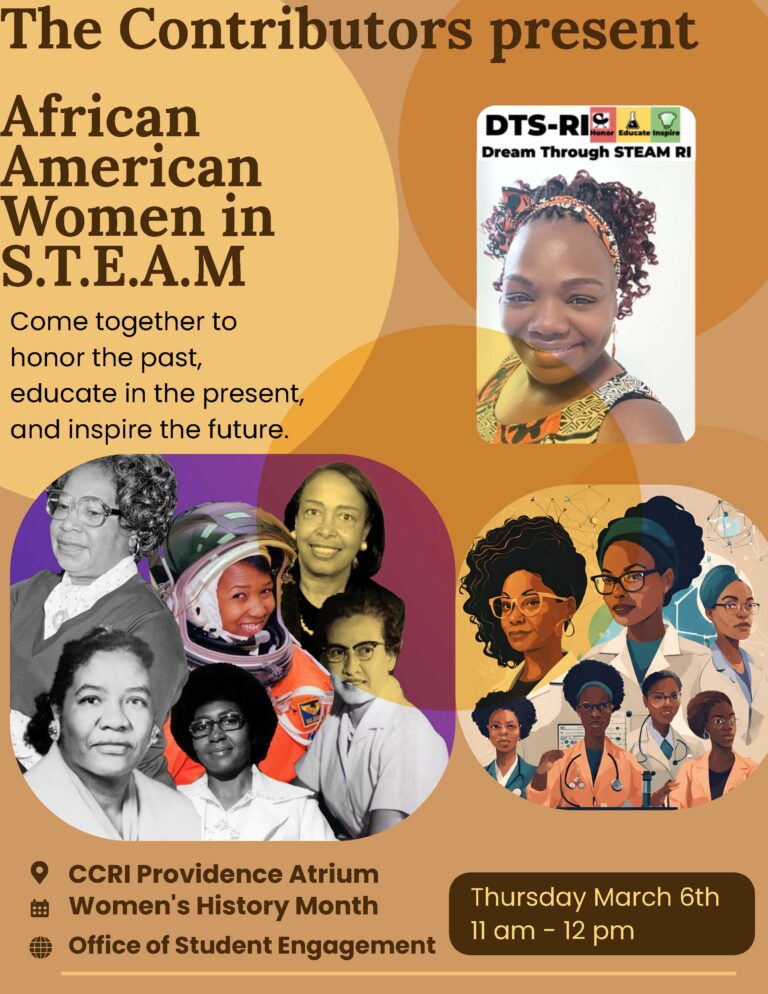
Rachel Briggs of Dream Through STEAM RI embodies Black excellence, passionately advocating for STEAM education, especially for underrepresented youth. Her work transforms lives, bridging opportunity gaps and fostering innovation.

Dream Through STEAM RI, under Briggs's leadership, creates pathways for young minds to engage with STEAM through hands-on learning and mentorship. She dismantles systemic barriers, providing safe spaces for exploration and growth.

Her approach cultivates creativity and problem-solving, incorporating arts to emphasize holistic learning. She empowers youth, encouraging them to see themselves as future innovators and leaders.

A Champion of Community Engagement

Briggs champions community engagement, collaborating with schools and organizations to expand STEAM access. She recently hosted her first Cultural Blind Dates event, pairing individuals from different cultural backgrounds for dialogue, promoting empathy and understanding.

Honoring African American STEAM Pioneers

Her business honors African American STEAM pioneers, using their stories to educate and inspire. At Paul Cuffee Charter School, students learned physics through shipbuilding, inspired by the school’s namesake. Briggs partnered with CCRI for "The Contributors," a photo reenactment exhibition celebrating Black women in STEAM. This exhibition serves as a powerful visual testament to their contributions.

Rachel Briggs is a role model, showing children that they can succeed in STEAM. We look forward to welcoming Ms. Rachel back to TRJ camp 2025

For more information about Rachel Briggs:

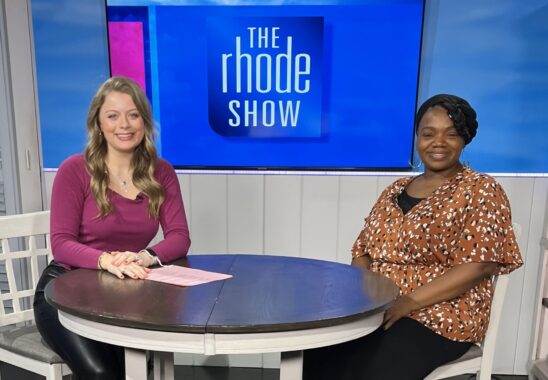
Watch video from Feb 26th, 2025 where Rachel Briggs joined the The Rhode Show to explain Dream Through Steam RI and discusses her Cultural Blind Date event

Black Excellence Posts:

Each month, we take time to highlight the remarkable contributions of Black leaders, trailblazers, and changemakers whose impact continues to shape our world. These stories serve as a valuable opportunity for transracial families to learn, reflect, and engage in meaningful conversations about Black history and culture. We invite you to explore our past Black Excellence features in the carousel below, where you’ll find inspiring figures from various fields—activism, science, arts, sports, and beyond. If you haven’t already, be sure to subscribe to our monthly newsletter to receive these stories, along with discussion prompts and book recommendations, right in your inbox.